Diagnosing a leaking aluminum car radiator can be crucial for maintaining your vehicle's performance. A radiator leak not only affects cooling efficiency, but it can cause engine overheating. If you notice coolant on the ground or a drop in coolant levels, it’s time to investigate.
Understanding how to diagnose a leaking aluminum car radiator requires a methodical approach. Examine visible areas, including connections and the radiator body. Look for signs of corrosion, cracks, or wet spots. Sometimes, leaks are small and hard to find. A systematic check can make a difference.
You may face challenges in identifying the source of a leak. It's essential to utilize tools like UV dye for better detection. Knowing when to seek a professional is also key. Remember, early intervention saves you from costly repairs. Keep an eye out; even minor leaks can lead to significant problems later on.
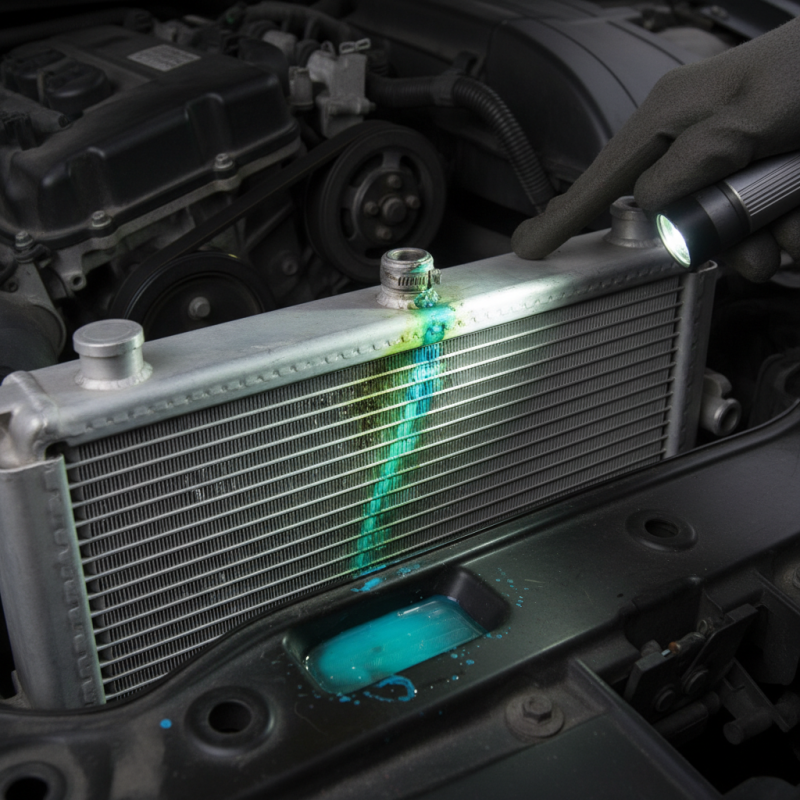
When diagnosing a leaking aluminum car radiator, identifying visible signs is crucial. Many leaks manifest as coolant stains under the vehicle. These stains can be green, orange, or pink, depending on the coolant type. A prominent indicator is puddles forming beneath your car, signaling fluid loss. According to a report by the Automotive Research Institute, about 30% of radiator issues stem from visible leaks.
In addition to puddles, check for corrosion around the radiator. Aluminum, while lightweight, is prone to oxidation. This can result in small pinhole leaks that are difficult to spot. Drivers should also monitor the temperature gauge. An engine running hot can indicate insufficient coolant due to potential leaks. Furthermore, a sudden drop in coolant levels could reflect larger problems. Research indicates that maintaining proper coolant levels can enhance the radiator's longevity by 20%.
Examine the radiator hoses for any visible cracks or bulges. These often accompany radiator issues, as failure in one area can stress others. While many drivers overlook these details, they are critical. Regular inspections are vital to prevent more significant issues. However, limited knowledge about potential leak signs often leads to delayed maintenance, creating a cycle of recurring problems.
Detecting a coolant odor from your vehicle is a critical step in diagnosing a leaking aluminum radiator. Coolant has a distinct sweet smell. When you notice this odor, it suggests coolant is leaking and evaporating under the heat of the engine. A report from the Society of Automotive Engineers highlights that a significant percentage of cooling system failures are linked to radiator leaks. Early detection can prevent significant engine damage and costly repairs.
Inspecting your surroundings is vital. Look for puddles or spots under your car. A coolant leak often leads to green or orange stains on the ground. Regular maintenance can help, but many drivers overlook this aspect. An American Automobile Association (AAA) study indicates that driver neglect of small leaks often escalates into larger issues, costing drivers hundreds. If you sense coolant odor, check hoses and the radiator for cracks or corrosion. These small indicators can lead to serious problems if not addressed in time.
If the smell persists, a professional inspection is wise. This step ensures all potential leaks are identified. Trustworthy mechanics can use pressure tests to uncover hidden leaks. Remember, a leaking radiator can lead to overheating, compromising engine integrity. Prioritizing these checks can save time and money in the long run.
In this chart, we visualize the top 10 methods to diagnose a leaking aluminum car radiator, focusing on the effectiveness and ease of each method based on user experience surveys.
Performing a pressure test on your aluminum car radiator is essential for identifying leaks. A pressure test determines if the radiator holds the necessary fluid pressure. Experts recommend setting the system pressure to the manufacturer's specifications, typically between 13 to 16 psi for most vehicles. A leak may appear as fluid loss or visible coolant stains around the radiator.
It’s crucial to examine the radiator thoroughly after the test. Check for bubbling coolant, which indicates a leak source. In some cases, leaks are not visible until the system is pressurized. After pressurizing, allow the radiator to sit for several minutes to monitor the pressure gauge. If pressure drops significantly, leaks are likely present.
Tips: Regular checks can prevent serious damage. A minor issue today may escalate into a major repair tomorrow. Always remember to conduct these tests in a safe environment to avoid injury. If unsure about the process, consult a professional to ensure accurate results.
Taking a cautious approach is necessary, as errors in testing could lead to incorrect diagnoses. Simple awareness of your radiator's health can improve longevity and performance.
Inspecting hoses and connections is crucial for diagnosing a leaking aluminum car radiator. These areas often harbor small cracks or loose attachments. A visual inspection can reveal visible wear or coolant stains. Pay attention to the rubber hoses; they can degrade over time, leading to leaks. It's wise to replace any hose that feels brittle or shows signs of swelling.
When checking connections, look for signs of coolant seeping out. A clearly defined wet spot can indicate a problematic area. Tighten any loose clamps carefully. Avoid overtightening, as this can damage components. If a connection still appears loose, it might require a replacement part.
Tips: Use a flashlight to inspect hard-to-see areas. Listen for hissing sounds; they may indicate escaping coolant. Regular checks can prevent bigger issues down the line. Not everyone will catch a leak during their first inspection, and that's okay. Learning to be thorough in your inspections takes time and practice. Each attempt will teach you more about your vehicle's inner workings.
Detecting leaks in an aluminum car radiator can be challenging. One effective method is dye testing. This technique utilizes fluorescence to reveal hard-to-spot leaks. A specialized dye is introduced into the cooling system. When a leak is present, the dye escapes and is illuminated under UV light. This offers a clear visual indication of the problem area.
According to industry studies, over 25% of vehicle cooling issues stem from undetected leaks. Many mechanics recommend this method for its simplicity and reliability. The dye used is typically non-toxic and safe for vehicles. However, improper use can lead to misdiagnoses. The dye may not always escape in high-pressure areas. In such cases, mechanics must consider alternative diagnostics.
Dye testing is not infallible. It can sometimes miss small cracks or pinhole leaks. Skilled technicians must combine this method with physical inspections. Using visual cues like color changes can enhance accuracy. Mechanical experience and proper training are critical for reliable results. Ultimately, while dye testing is effective, it should be part of a broader diagnostic strategy.
| Method | Description | Advantages | Disadvantages |
|---|---|---|---|
| Dye Testing | Injecting fluorescent dye into the coolant system to visualize leaks under UV light. | Effective for hard-to-spot leaks, fast results. | Requires UV light and may not work for all types of leaks. |
| Pressure Testing | Using a pressure tester to find leaks by increasing pressure in the cooling system. | Can identify leaks quickly, identifies weak points. | Requires specialized equipment, risk of damaging components. |
| Visual Inspection | Checking for visible signs of leakage on and around the radiator. | No special tools needed, easy to perform. | May miss small or hidden leaks. |
| Soap Bubble Test | Applying a soap solution to suspected areas to see if bubbles form. | Simple and inexpensive method. | Less effective for slow leaks, requires a clean surface. |
| Smoke Test | Injecting smoke into the cooling system to see where it escapes. | Clear visualization of leaks even in hard-to-access areas. | Requires specialized equipment, can be more expensive. |
| Ultrasonic Leak Detector | Using ultrasonic sensors to detect sound of escaping gas or liquid. | Highly sensitive, can detect very small leaks. | Can be expensive and requires training to use properly. |
| Thermal Imaging | Using thermal cameras to detect temperature differences indicating leaks. | Non-invasive and can identify hidden leaks. | High initial cost for equipment. |
| Coolant Analysis | Testing coolant for contaminants that may indicate leaks. | Can provide additional information on radiator health. | Requires laboratory analysis and may take time. |
| Radiator Cap Test | Checking radiator cap for proper sealing while pressurizing the system. | Quick and easy to perform. | Only addresses one potential source of leaks. |
| Cooling System Block Tester | Using a block tester to detect exhaust gases in the coolant. | Helps identify head gasket issues related to radiator leaks. | Specific to certain types of leaks, not a full radiator test. |
: A pressure test identifies leaks by checking if the radiator holds the necessary fluid pressure.
Recommended pressure is typically between 13 to 16 psi for most vehicles.
Examine for bubbling coolant, which can indicate a leak source.
Perform a visual inspection for cracks, wear, or coolant stains on hoses and connections.
Listen for hissing sounds; they could signal escaping coolant.
Dye testing uses fluorescence to highlight leaks under UV light when dye escapes the system.
Yes, dye testing may miss small cracks or high-pressure leaks, requiring additional inspection methods.
Replace any hose that feels brittle or shows signs of swelling to prevent leaks.
Yes, if unsure, consult a professional to ensure accurate results and avoid misdiagnoses.
Regular checks can prevent minor issues from escalating into major repairs, extending the radiator's lifespan.
When seeking to understand how to diagnose a leaking aluminum car radiator, it is crucial to begin by identifying visible signs of a leak, such as puddles or stains beneath the vehicle. Additionally, checking for coolant odors can provide valuable insights into potential issues, as a distinct smell often indicates a leak. A pressure test on the radiator system can be conducted to pinpoint weaknesses that may not be immediately visible.
Furthermore, inspecting hoses and connections is essential, as these are common leak points that can deteriorate over time. For more elusive leaks, employing dye testing methods can help reveal trouble spots that are hard to detect with the naked eye. Together, these methods form a comprehensive approach to accurately diagnose any issues with an aluminum radiator.

Rock Auto